Automatic Returns
Automatic Returns: How Returns Automation is Transforming Ecommerce Efficiency
Discover how Automatic Returns and refund automation streamline ecommerce operations, reduce costs, and enhance customer experience.
Automatic Returns: The Future of Returns Automation in Ecommerce
Let’s be honest—returns are one of the biggest headaches in ecommerce.
From processing refunds to managing reverse logistics, handling customer expectations, and tracking inventory, the entire process can quickly become overwhelming. But here’s the good news: automatic returns and returns automation are changing the game.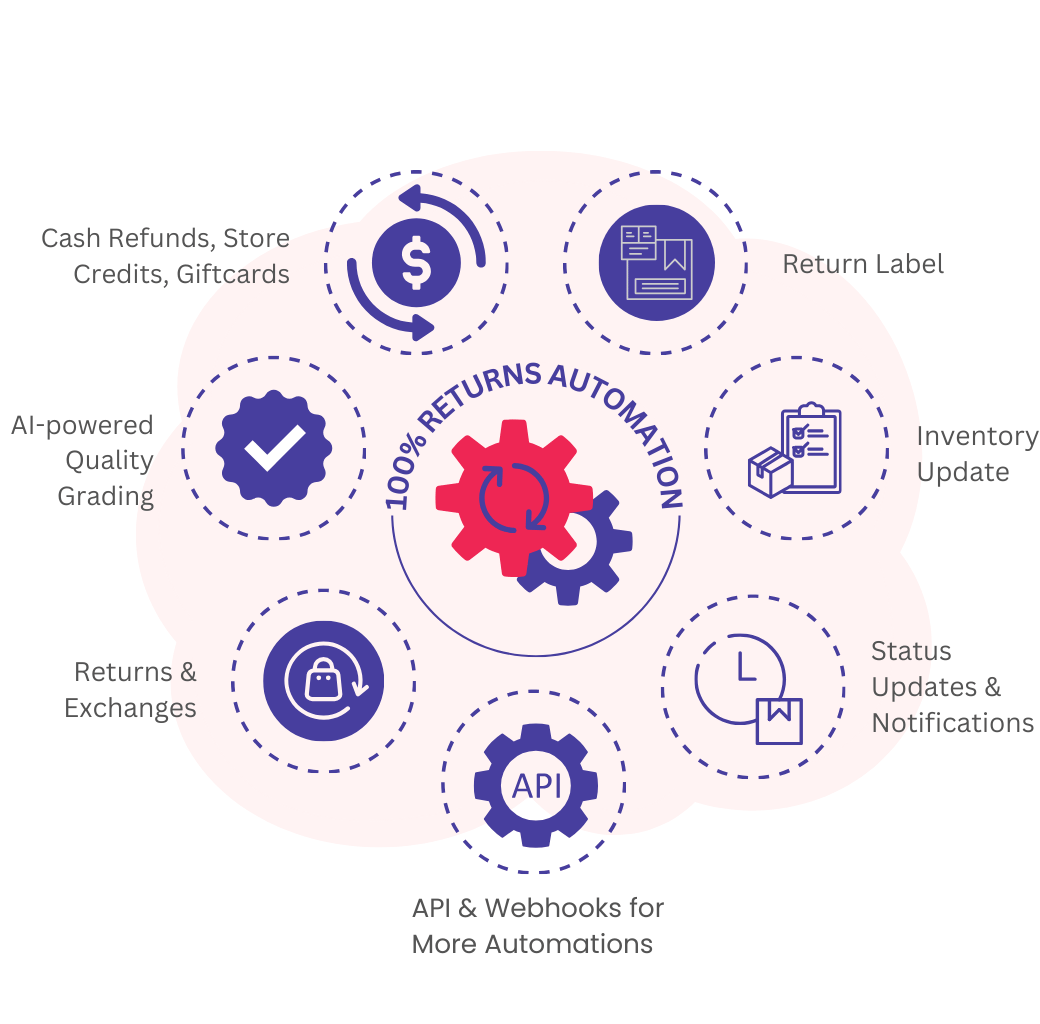
In today’s competitive ecommerce landscape, brands that embrace ecommerce automation—especially in returns and refunds—are the ones staying ahead.
In this guide, we’ll break down how refund automation and automatic returns work, why they matter, and how you can implement them to streamline your operations and improve customer satisfaction.
What Are Automatic Returns?
Automatic returns refer to the use of technology to handle the entire return process with minimal human intervention.
Instead of manually approving return requests, issuing refunds, and coordinating logistics, everything is managed through a centralized system.
Think of it like this:
- Customers initiate returns through a self-service portal
- The system validates eligibility automatically
- Return labels are generated instantly
- Refunds or exchanges are processed without delays
This is the core of returns automation—a smarter, faster, and more scalable approach to handling returns.
Why Returns Automation Is Essential for Ecommerce
As ecommerce grows, so do returns. In some industries like fashion, return rates can reach 30% or more.
Without automation, this leads to:
- Increased operational costs
- Slower refund processing
- Poor customer experience
- Inventory mismatches
This is where ecommerce automation becomes crucial.
Key Benefits of Returns Automation
1. Faster Refund Processing
With refund automation, customers don’t have to wait days—or even weeks—for their money back.
Automated systems can trigger refunds as soon as:
- The return is initiated
- The item is scanned by a courier
- Or predefined conditions are met
This builds trust and encourages repeat purchases.
2. Improved Customer Experience
Modern customers expect convenience. Automatic returns provide:
- Easy self-service return portals
- Real-time status updates
- Instant approvals
A smooth return experience can turn a potentially negative situation into a positive one.
3. Reduced Operational Costs
Manual processes require time, labor, and resources.
Returns automation helps you:
- Minimize human errors
- Reduce support tickets
- Optimize warehouse operations
Over time, this significantly lowers costs.
4. Better Inventory Management
Automated systems sync return data with your inventory in real-time.
This means:
- Accurate stock levels
- Faster restocking
- Improved demand forecasting
How Refund Automation Works
Refund automation is a key component of automatic returns. It ensures that refunds are processed quickly and accurately without manual intervention.
Here’s how it typically works:
- Return Request Initiated
The customer submits a return request via a portal. - Eligibility Check
The system verifies return policies (time window, product condition, etc.). - Approval & Label Generation
If eligible, the return is approved instantly, and a shipping label is generated. - Tracking & Updates
The system tracks the returned item in real time. - Automated Refund Trigger
Refund is processed based on predefined rules.
This seamless workflow is what makes refund automation so powerful.
Real-World Example of Returns Automation
Imagine you run an online fashion store.
A customer wants to return a shirt because it doesn’t fit.
Without automation:
- They email support
- Your team reviews the request
- A label is manually sent
- Refund is processed after inspection
This could take 7–10 days.
With automatic returns:
- Customer submits request online
- System approves instantly
- Label is generated
- Refund is triggered within hours
That’s a massive difference in both efficiency and customer satisfaction.
Key Features to Look for in an Automatic Returns Solution
If you’re considering implementing returns automation, here are some must-have features:
1. Self-Service Return Portal
Customers should be able to initiate returns without contacting support.
2. Rule-Based Automation
Set rules for:
- Return eligibility
- Refund timing
- Exchange options
3. Real-Time Tracking
Keep both customers and your team updated throughout the process.
4. Integration with Ecommerce Platforms
Ensure compatibility with platforms like Shopify, WooCommerce, and others.
5. Analytics & Insights
Track return trends, reasons, and patterns to improve your business strategy.
How Saara Simplifies Automatic Returns
offer a comprehensive approach to returns automation.
With Saara, ecommerce businesses can:
- Automate return approvals and refunds
- Reduce return-related costs
- Enhance customer experience
- Gain valuable insights into return behavior
Their intelligent automation tools are designed to make returns effortless—for both businesses and customers.
Tips to Successfully Implement Returns Automation
Transitioning to automation doesn’t have to be complicated. Here are some practical tips:
Start with Clear Return Policies
Define rules for:
- Return windows
- Eligible products
- Refund conditions
Clear policies make automation more effective.
Focus on Customer Experience
Make the process simple and transparent:
- Easy-to-use interface
- Clear instructions
- Quick updates
Use Data to Improve
Analyze return reasons to:
- Improve product quality
- Optimize sizing guides
- Reduce future returns
Test and Optimize
Start small, test your workflows, and refine them over time.
The Future of Ecommerce Automation
Returns automation is just one part of a larger trend—ecommerce automation.
As technology evolves, we can expect:
- AI-driven return predictions
- Automated fraud detection
- Personalized return experiences
Businesses that adopt these innovations early will gain a significant competitive advantage.
Turn Returns into Opportunities
Returns don’t have to be a burden.
With automatic returns, returns automation, and refund automation, you can transform a costly process into a strategic advantage.
Instead of losing customers due to poor return experiences, you can:
- Build trust
- Increase loyalty
- Improve operational efficiency
If you’re ready to take your ecommerce operations to the next level, it’s time to explore smarter solutions like: https://saara.io/automatic-returns
Don’t let returns slow down your growth.
Start leveraging returns automation today and create a seamless post-purchase experience your customers will love. Explore how automatic returns can transform your business—visit the link above and see the difference for yourself.


Comments
Post a Comment